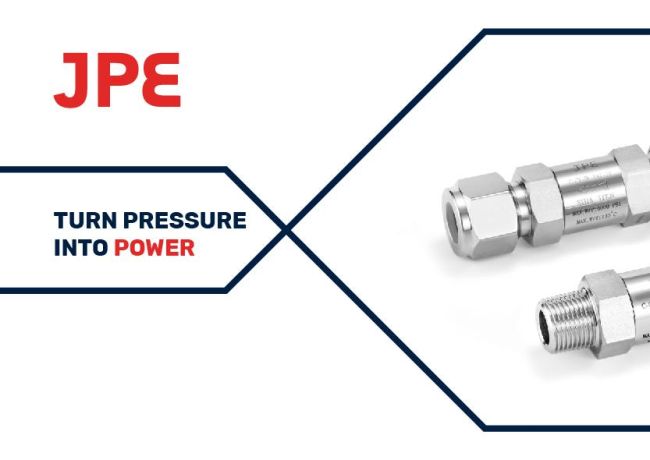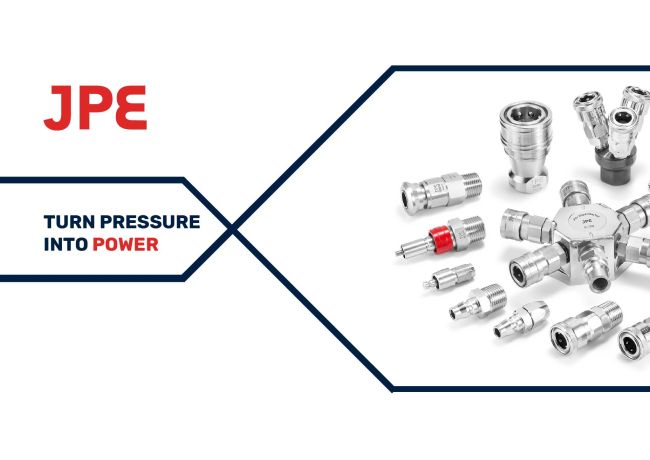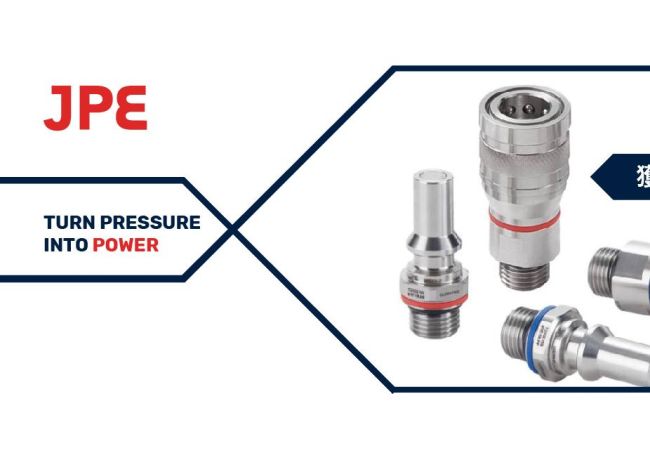

JPE Industry Insights | How JPE Check Valves Solve Critical Pain Points in Precision Applications
In industries such as oil & gas, petrochemicals, instrumentation, chemicals, pharmaceuticals, semiconductors, new energy, and industrial gases, check valves (non-return valves) are critical components. They ensure unidirectional flow, prevent backflow, and protect core equipment and system integrity within precision fluid systems.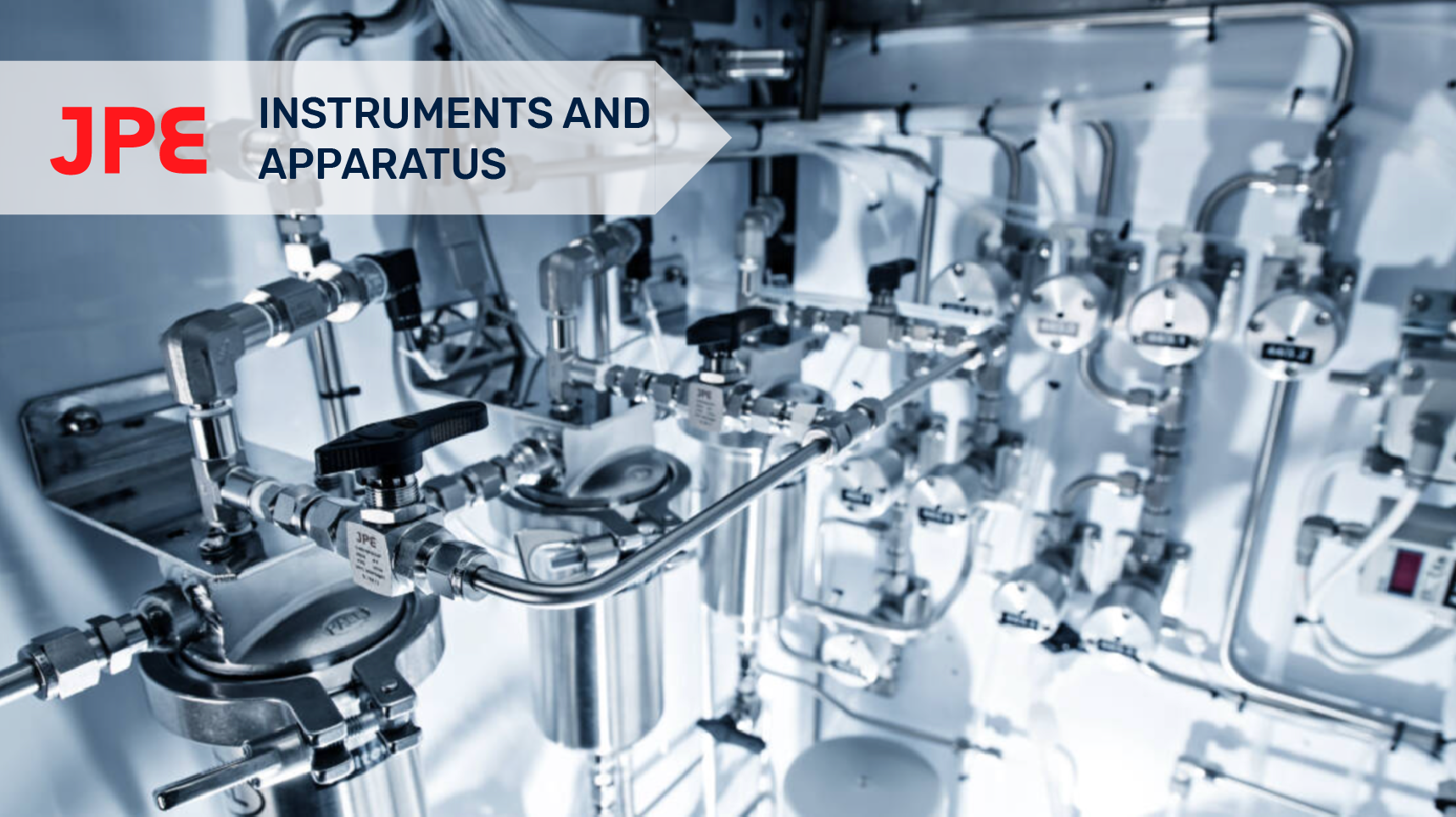
With nearly 40 years of expertise in fluid control, JPE provides instrumentation-grade check valves engineered with precision, rigorous manufacturing standards, and stable performance. JPE effectively addresses common industry challenges—such as valve failure, seal leakage, delayed response, and poor adaptability—offering a preferred solution for high-precision, high-reliability fluid systems.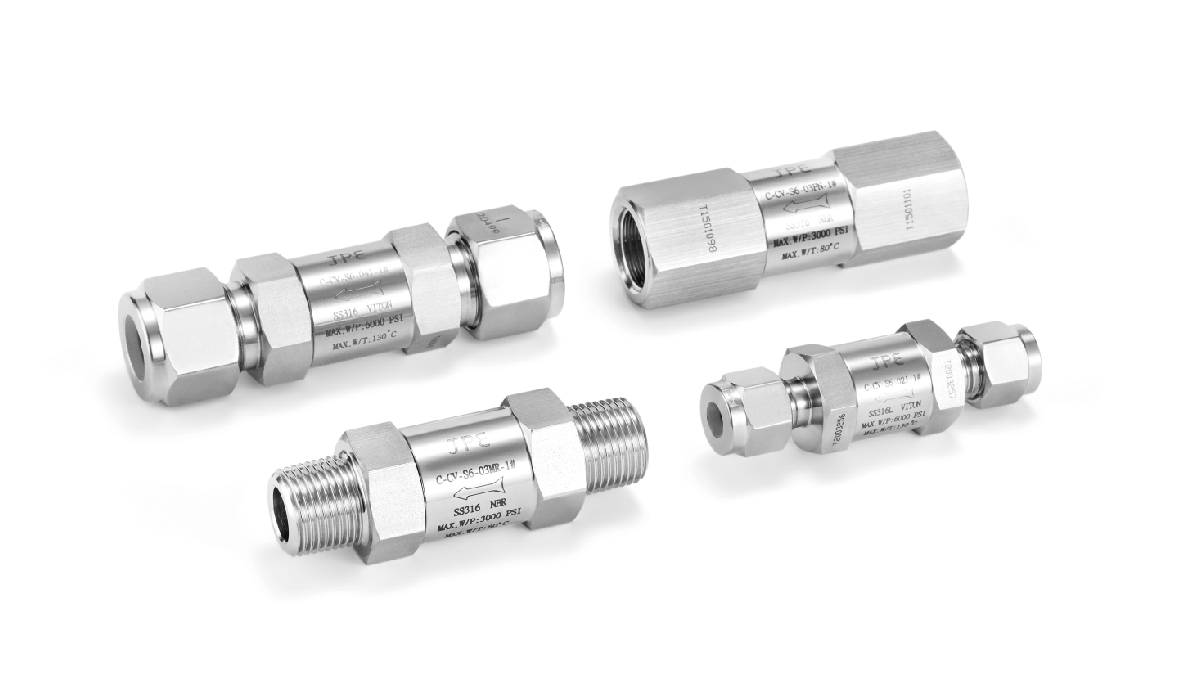
I. Addressing Industry Pain Points: JPE’s Solutions to Common Challenges
Traditional check valves in precision systems often suffer from seal failure, delayed closing, water hammer effects, and limited adaptability. JPE overcomes these core issues through optimized structure, premium materials, and advanced craftsmanship.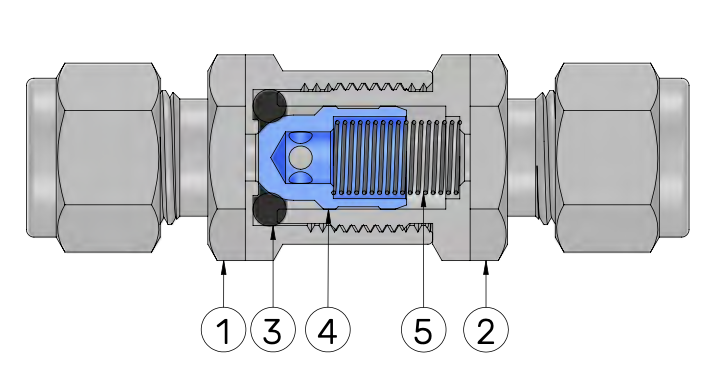
1. Eliminating Media Backflow and Seal Leakage
Standard valves often experience micro-leakage or backflow due to spring fatigue or poor seating, especially in low-pressure or low-flow conditions.
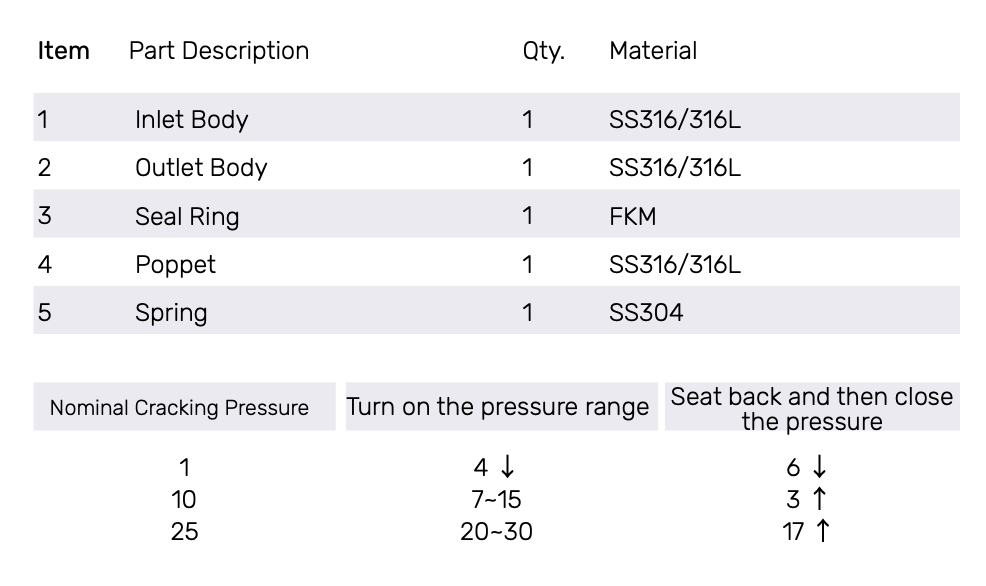
The JPE Solution: JPE inline check valves utilize upstream pressure to open automatically and downstream pressure to close instantaneously, effectively blocking backflow. This prevents media from impacting precision instruments, safeguarding equipment and data accuracy. The valve bodies are crafted from 316 stainless steel for superior corrosion, high-pressure, and high-temperature resistance. Seals are available in various materials, such as FKM, to handle water, oil, steam, corrosive gases, and high-purity media without aging or deformation.
2. Mitigating Water Hammer and Equipment Damage
Conventional valves may suffer from poppet sticking or mismatched springs, leading to delayed action, metallic clatter, or violent closing that causes water hammer—damaging sensitive instrumentation lines.
The JPE Solution: By matching lightweight poppets with precision-calibrated springs, JPE valves achieve smooth, friction-free operation. The enhanced damping during closure significantly reduces water hammer and noise, ensuring stable system performance.
3. Resolving Opening/Closing Failures at Low Pressure
In low-pressure or micro-flow scenarios, traditional valves may fail to open fully due to insufficient cracking pressure or fail to reseal, leading to increased resistance or backflow.
The JPE Solution: We offer customizable seal materials tailored to specific media. These seals maintain integrity under varying temperatures and pressures, eliminating leakage or pressure loss caused by seal failure and reducing the risk of unplanned downtime.
4. Overcoming Installation Constraints in Confined Spaces
Instrumentation systems often feature dense piping and limited space. Many traditional check valves have strict orientation requirements (e.g., horizontal only), limiting their versatility.
JThe JPE Solution: JPE instrumentation-grade inline check valves support multi-directional installation (horizontal, vertical, etc.). Their compact design allows for flexible integration into complex, high-density piping layouts.
Note: If a check valve has remained closed for an extended period, the initial cracking pressure may be slightly higher than the nominal set pressure.
II. Core Competencies: The Advantages of JPE Check Valves
1. Instrumentation-Grade Precision and Reliability
With 40 years of focus on instrumentation valves, every JPE check valve undergoes 100% factory nitrogen testing (functional + seal testing). This ensures zero-defect delivery and consistent performance with high repetition accuracy and no operational drift over time.
2. Low Flow Resistance & High Sensitivity
The linear flow path design provides a flow coefficient significantly better than traditional swing or butterfly check valves, reducing system energy consumption. Precisely adjustable spring pressures ensure stable response from micro-flows to high-pressure conditions across gas, liquid, and mixed media.
3. Corrosion Resistance and Longevity
Constructed from 316 stainless steel or specialized alloys, these valves resist corrosion, wear, and impact. The simplified design eliminates high-wear parts, making maintenance infrequent and seal replacement effortless, thereby lowering total cost of ownership (TCO).
4. Extensive Customization
We provide bespoke solutions for cracking pressures, connection sizes, materials, and seal types to meet non-standard requirements involving extreme temperatures, ultra-high pressures, or specialized media.
5. Global Compliance and Certification
JPE products comply with ISO and other international industrial standards. Our certifications meet the stringent regulatory requirements of the semiconductor, chemical, and petrochemical industries worldwide.
In precision fluid systems, the check valve may be small, but it is the guardian of safety, stability, and purity. JPE’s instrumentation-grade inline check valves provide a robust defense against backflow, contamination, and leakage.
Choose JPE — Expertise in Precision Fluid Control. Keep your systems safe, seamless, and superior.